Product Description
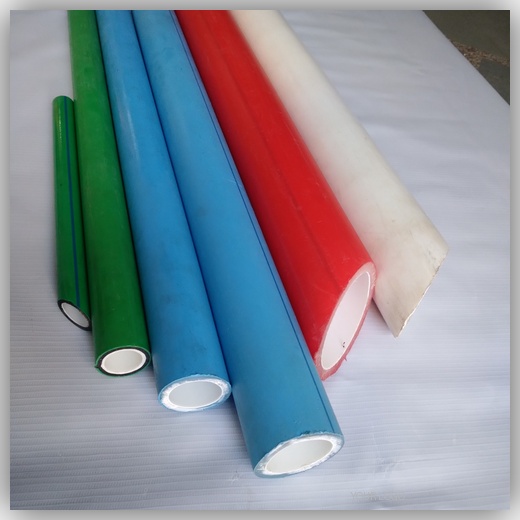
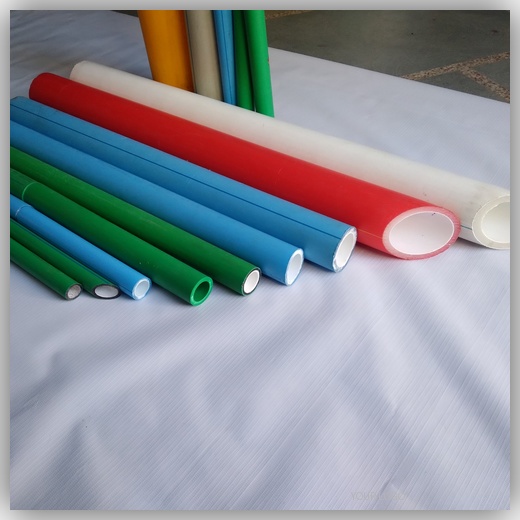
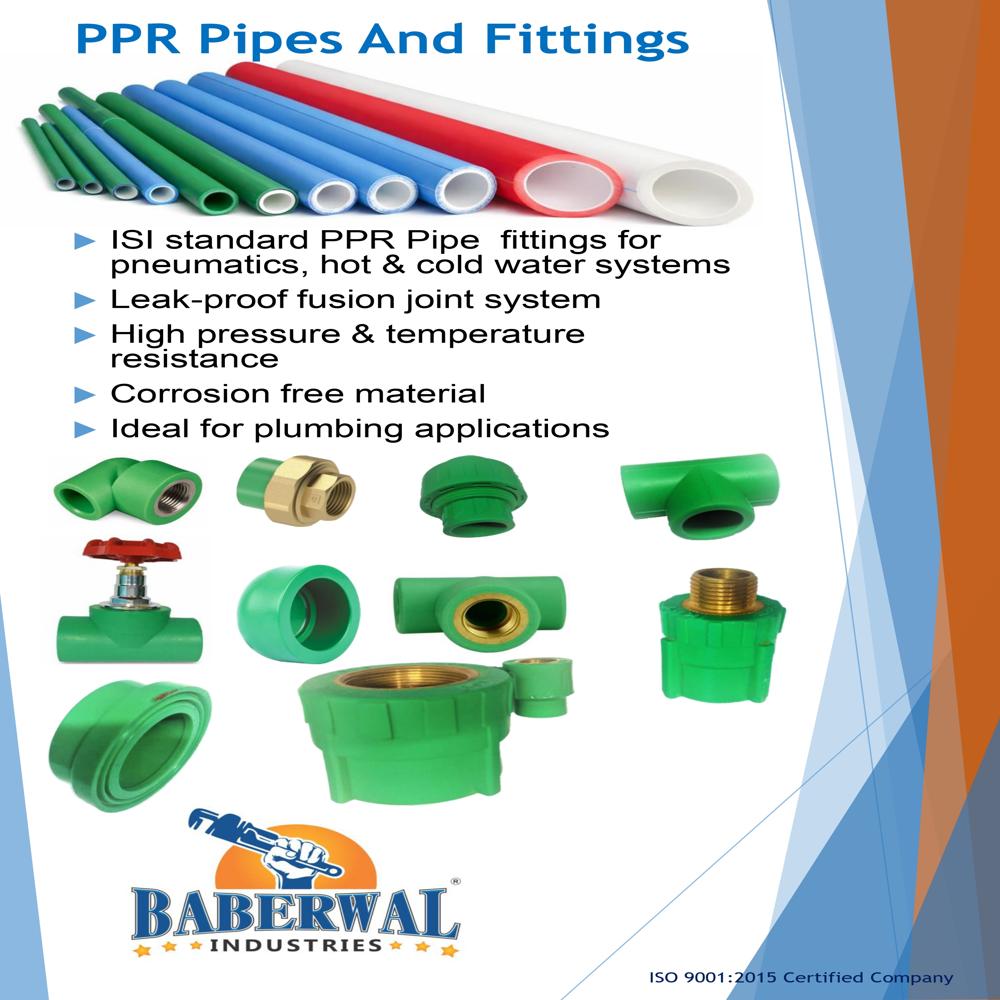
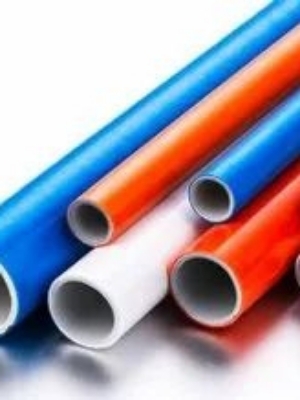
PPR pipe stands for Polypropylene Random Copolymer, a high-performance thermoplastic material widely used in modern plumbing systems. It is specially designed for both hot and cold water supply due to its excellent resistance to heat, pressure, and corrosion.
PPR pipes are non-toxic and hygienic, making them safe for drinking water applications. Unlike traditional metal pipes, they do not rust, scale, or corrode over time, ensuring long service life and consistent water quality. Their smooth inner surface reduces friction and prevents mineral buildup, allowing efficient water flow.
These pipes are joined using heat fusion welding, which creates leak-proof, seamless connections that are stronger than traditional threaded joints. Because of their durability, lightweight nature, and low maintenance requirements, PPR pipes are commonly used in:
Overall, PPR pipes offer a reliable, cost-effective, and long-lasting alternative to metal piping systems in modern construction.
Superior Durability and Corrosion ResistancePPR pipes offer outstanding resistance to chemical and physical degradation, making them a favored option for transporting both hot and cold water. The Polypropylene Random Copolymer used ensures long-lasting performance even under high pressure, reducing maintenance needs. Their good surface finish keeps water flow efficient, and the pipes maintain integrity against corrosion far better than traditional metal alternatives.
Versatile Applications for Modern PlumbingDesigned for a variety of uses, these pipes serve as water pipes, pneumatic pipes, compressor pipes, and air pipes. Suitable for both residential and commercial infrastructures, they are valued by distributors, manufacturers, service providers, suppliers, and traders. The consistent pipe quality ensures reliability across a range of installation environments where hygiene and strength are essential.
FAQ's of PPR Pipes:
Q: How are PPR pipes installed in plumbing systems?
A: PPR pipes are typically connected using heat fusion welding, a process that melts the material at the joints, creating a strong, leak-proof bond. This method ensures high joint integrity and longevity, making it suitable for both residential and commercial installations.
Q: What are the main benefits of using PPR pipes over metal pipes?
A: PPR pipes are highly resistant to corrosion, chemical attack, and scale buildup. They are non-toxic, maintain water quality, and provide excellent pressure and temperature resistance. These properties reduce maintenance, extend operational life, and offer a more hygienic plumbing solution.
Q: Where can PPR pipes be used effectively?
A: PPR pipes are ideal for hot and cold water supply lines, compressed air systems, and pneumatic applications in homes, apartments, commercial buildings, and industrial settings. Their durability and high working pressure capacity make them versatile across numerous sectors.
Q: What is the standard size and pressure rating for these PPR pipes?
A: These pipes are typically available in 5-meter lengths, with a diameter of 20mm. They can safely operate under working pressures up to 20KG, accommodating demanding plumbing and pneumatic needs.
Q: How do PPR pipes maintain hygiene for potable water supply?
A: Constructed from food-grade Polypropylene Random Copolymer, PPR pipes are non-toxic and inert, preventing bacterial growth and chemical leaching. This keeps water safe for drinking and other hygienic uses.
Q: When should one consider upgrading to PPR pipes?
A: Upgrading to PPR pipes is advisable when seeking a durable, corrosion-resistant, and low-maintenance plumbing system with long-term reliability, especially in projects where water purity and efficiency are priorities.
Q: What types of pipes are included in this product range?
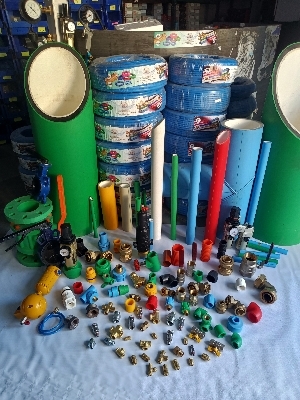
A: The range includes PPR pipes, PPRC pipes, pneumatic pipes, water pipes, and compressor pipes, all produced from high-grade Polypropylene Random Copolymer, available through distributors and suppliers in India.
 Rajasthan, India
 Mon-Sat 9.00 AM to 6.00 PM






 Send Inquiry





 Send Inquiry
 Send Inquiry
 Send SMS

